
Key takeaways
• Residential solar power panels can significantly reduce household electricity costs.
• Well-utilised residential solar PV systems in Singapore often achieve payback within approximately 4-5 years.
• Savings depend on electricity consumption, roof suitability, system size and self-consumption.
• Most solar panels are designed to operate for 25 years or more.
• Households with higher daytime electricity use generally achieve stronger financial returns.
Introduction
Rising electricity prices and growing environmental awareness are encouraging many homeowners to explore residential solar power panels. While solar energy can offer substantial long-term savings, whether it represents a worthwhile investment depends on factors such as installation cost, household electricity consumption, roof suitability and expected energy generation.
This article explains how residential solar power panels work, what they cost, how much they can save, and how homeowners can evaluate their return on investment.
What are residential solar power panels?
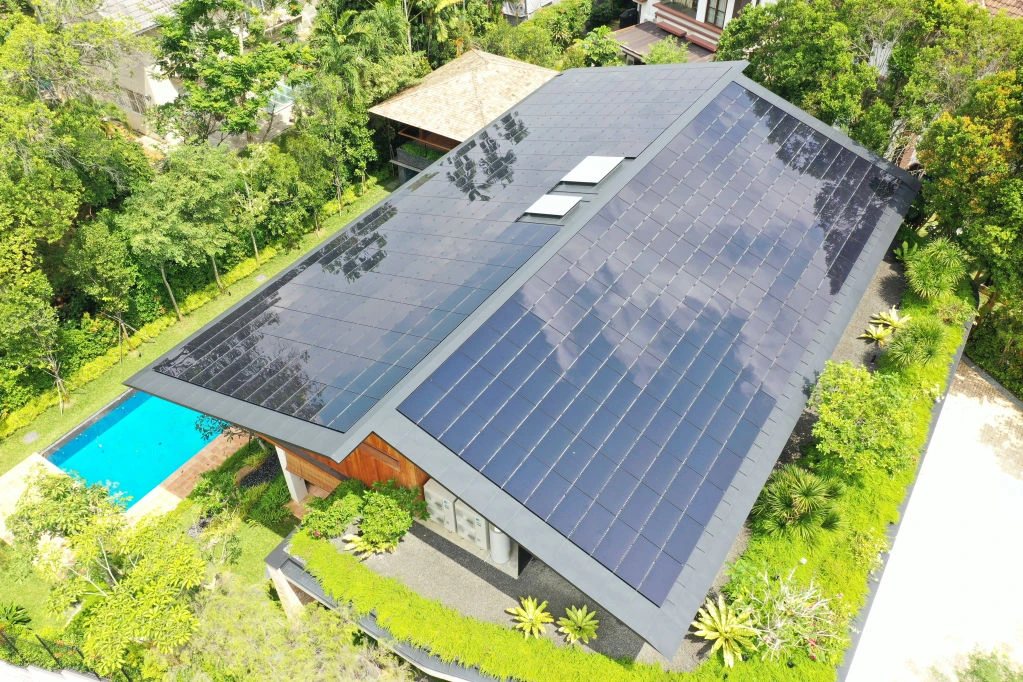
Residential solar power panels, also known as solar photovoltaic (PV) systems, convert sunlight into electricity for use within the home. By generating renewable electricity on-site, homeowners can reduce their use of grid-supplied electricity and lower their monthly energy bills.
A typical residential solar PV system includes:
• Solar panels
• Inverter(s)
• Mounting system
• Monitoring equipment
• Optional battery storage
The electricity generated can be used to power lighting, air conditioning, household appliances and other everyday energy needs.
How much do residential solar power panels cost?
The cost of a residential solar PV system varies depending on system size, panel quality, roof design and installation requirements.
Key cost factors include:
• System size – larger homes with higher electricity consumption generally require larger systems.
• Solar panel efficiency – higher-efficiency panels typically generate more electricity per square metre but may cost more initially.
• Roof design and condition – complex roof layouts may require additional installation work and mounting equipment.
• Battery storage – adding batteries will increase system cost but improve energy independence by reducing consumption from the grid.
Although the upfront investment can appear significant, long-term electricity savings typically make the investment very attractive.
How much can you save with residential solar power panels?
One of the main benefits of residential solar panels is lower electricity bills. Savings depend on several factors, including electricity tariffs, system performance, roof orientation, shading, household consumption patterns and self-consumption rates.
Households that consume more electricity during daylight hours often achieve greater savings because a larger proportion of the solar electricity generated is used directly within the home. Over time, these savings exceed installation costs while reducing exposure to future electricity price increases.
In Singapore, favourable solar irradiation levels throughout the year can make residential solar PV systems particularly attractive for suitable landed properties.
Understanding solar payback and ROI
Many homeowners focus on the payback period rather than a traditional return-on-investment calculation.
Simple Payback Period = Net Installation Cost ÷ Annual Electricity Savings
For example, a homeowner investing approximately SGD 20’000–40’000 in a residential solar PV system may save around SGD 300–1’200 per month, depending on energy consumption, roof size, system capacity, self-consumption and prevailing electricity tariffs. Under these assumptions, payback may range from approximately 3–6 years.
After reaching the payback period, the electricity generated continues to provide savings, while ongoing maintenance and future equipment replacement costs remain very low. Most modern solar panels are designed to operate for 25 years or more.
Benefits beyond financial savings
1. Reduced carbon footprint – Solar power generates electricity without emitting any greenhouse gases.
2. Potential property appeal – A solar PV system may enhance a property’s attractiveness to buyers who value energy efficiency and sustainability.
3. Reduced dependence on grid electricity – Solar generation will reduce the use of grid-supplied electricity during daylight hours, particularly when a high proportion of the generated energy is consumed on-site.
How to maximise your solar investment
Homeowners can improve financial returns by:
• Selecting high-quality solar equipment from reputable manufacturers.
• Shifting energy-intensive activities to daylight hours where practical.
• Monitoring system performance regularly to identify potential issues early.
• Engaging experienced solar installers. Ask them some tough questions:
- How does their design accommodate safe future maintenance?
- How do they connect the panels to minimise impact of partial shading?
- How do they connect the panels to best match the inverter inputs?
- How do they calculate their energy generation forecasts?
- Do they use in-house teams or subcontractors?
Frequently Asked Questions
Are residential solar power panels worth it in Singapore? For many landed homeowners, solar panels provide meaningful long-term savings when sufficient roof space and daytime electricity consumption are available.
How long do residential solar panels last? Most solar panels are designed to operate for 25 years or longer, although performance gradually declines over time.
What size solar system does a home need? The best economic returns come from maximising the roof areas that are well exposed to sunshine and not compromised by shade.
Can solar panels power an entire house? In Singapore many solar rooftops generate more than the home consumes, but they still need the grid to absorb surplus solar production during the day and supply electricity at night.
Why choose Energetix?
The Energetix team has been installing solar energy solutions in Singapore since 1996 and has delivered hundreds of solar installations across residential, commercial and industrial sectors. By designing systems around individual household energy requirements, Energetix helps homeowners maximise savings while supporting long-term sustainability goals.
Start saving with residential solar power panels
If you would like to explore whether solar energy is suitable for your home, contact Energetix for a professional assessment and tailored recommendation based on your property’s energy requirements.